


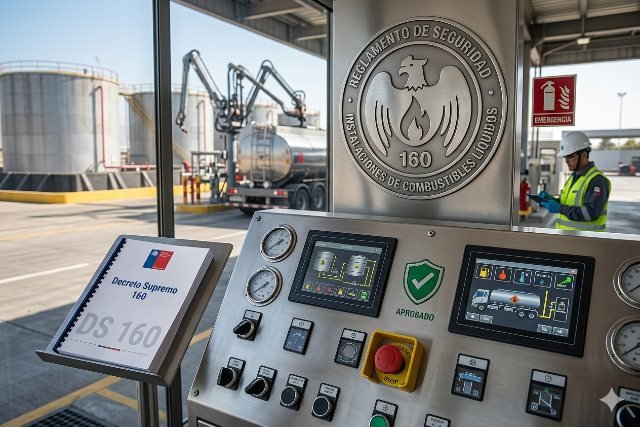
Decreto Supremo 160 stands as a pivotal regulatory framework in Bolivia, shaping the landscape of various industries and impacting countless lives. But what exactly does this decree entail? And why is it garnering so much attention? Whether you’re an entrepreneur navigating the Bolivian market, a legal professional, or simply someone interested in understanding its implications, this guide will take you through everything you need to know about Decreto Supremo 160. From its historical roots to its contemporary relevance, we’ll explore how this decree affects businesses and the economy at large. Let’s dive into the world of Decreto Supremo 160!
What is Decreto Supremo 160 and its purpose?
Decreto Supremo 160 is a significant legal measure in Bolivia, aimed at regulating various sectors of the economy. Its primary purpose centers around creating a structured framework for governance and compliance within distinct industries.
This decree addresses issues ranging from environmental protection to economic sustainability. By setting clear guidelines, it promotes responsible practices among businesses while ensuring that citizens’ rights are safeguarded.
Moreover, Decreto Supremo 160 encourages investment by providing stability and predictability in operations. It aims to balance economic growth with social responsibility, making it essential for both local enterprises and international investors.
Understanding this decree is crucial for anyone involved in Bolivian commerce or law. It shapes the landscape of business operations across multiple fields, influencing how companies interact with regulatory bodies and respond to market demands.
The History of Decreto Supremo 160
Decreto Supremo 160 emerged in a context marked by significant political and economic shifts in Bolivia. Instituted during a period of reform, it aimed to address urgent national concerns.
The decree was born out of necessity. It sought to streamline processes within various sectors while promoting transparency. Government officials recognized the need for regulatory frameworks that would adapt to evolving challenges.
As discussions unfolded, various stakeholders weighed in on its potential impact. Debates took place among industry leaders, lawmakers, and civil society groups. Each entity highlighted different aspects of how this decree could reshape their interactions with the state.
Over time, Decreto Supremo 160 gained traction as both an instrument of governance and a symbol of hope for some communities. Its history is deeply intertwined with Bolivia’s broader narrative—one defined by resilience amid change.
Key Provisions of Decreto Supremo 160
Decreto Supremo 160 encompasses several key provisions that significantly shape its legal framework. One of the most notable aspects involves regulations aimed at environmental protection. This aspect mandates strict compliance from industries, ensuring sustainable practices are prioritized.
Another critical provision focuses on economic incentives for small and medium enterprises (SMEs). By fostering a more favorable business climate, these measures aim to stimulate local entrepreneurship and innovation.
Additionally, the decree outlines specific labor rights enhancements. These improvements seek to ensure fair treatment and better working conditions for employees across various sectors.
Furthermore, there is an emphasis on transparency in governmental processes associated with land use and resource allocation. This promotes accountability and curbs potential corruption within administrative frameworks.
These provisions collectively illustrate how Decreto Supremo 160 strives to balance economic growth with social responsibility. The complexity of these elements reflects Bolivia’s evolving legal landscape.
How Decreto Supremo 160 Affects Different Industries in Bolivia
Decreto Supremo 160 has far-reaching effects across various sectors in Bolivia. Agriculture, for instance, faces new regulations that aim to improve sustainability and productivity. Farmers must adapt to these changes or risk falling behind.
The mining industry is also impacted significantly. Stricter environmental guidelines mean companies need to rethink their operations. This shift can lead to increased costs but may foster innovation in eco-friendly practices.
In the energy sector, Decreto Supremo 160 encourages a transition toward renewable sources. Companies are now incentivized to invest in solar and wind energy projects, promoting long-term growth and environmental responsibility.
The tourism industry is seeing adjustments as well. New standards aim at preserving natural resources while enhancing visitor experiences. Businesses must navigate these expectations carefully to maintain competitiveness in a changing market landscape.
Legal Implications and Challenges of Decreto Supremo 160
Decreto Supremo 160 introduces significant legal implications that resonate across various sectors in Bolivia. One primary concern is compliance. Businesses must navigate the regulations effectively to avoid penalties.
The decree also raises questions about enforcement. Different jurisdictions may interpret its provisions uniquely, leading to inconsistent applications of the law. This inconsistency can create confusion for companies operating in multiple regions.
Furthermore, there are challenges related to stakeholder rights and protections. Some industries have expressed worries about how these regulations might infringe on their established practices or economic interests.
Legal disputes may arise as businesses seek clarity regarding their obligations under this decree. Without clear guidelines, organizations could face litigation risks that complicate operations further.
These legal hurdles demand proactive strategies from enterprises to ensure they align with Decreto Supremo 160 while safeguarding their interests within a changing regulatory landscape.
The Impact of Decreto Supremo 160 on the Economy
Decreto Supremo 160 has reverberated through the Bolivian economy, influencing various sectors. By streamlining regulations, it aims to foster a more conducive environment for business operations.
Enterprises have experienced both opportunities and challenges due to this decree. Sectors like agriculture and mining are seeing increased investment potential, driving growth and innovation.
However, compliance costs can burden smaller businesses. Navigating new regulations requires resources that many may not possess easily.
On another front, consumer confidence appears to be on an upward trend as economic stability improves in response to these reforms. This shift could lead to greater spending power among citizens.
The effects of Decreto Supremo 160 will continue evolving as industries adapt and respond over time. The long-term implications remain a focal point for economists monitoring Bolivia’s trajectory.
Conclusion
Decreto Supremo 160 stands as a pivotal legal framework shaping various sectors in Bolivia. Its provisions resonate deeply, influencing both businesses and environmental policies.
The implications of this decree extend beyond mere compliance. They invite stakeholders to adapt, innovate, and rethink traditional practices in light of new regulations.
As industries respond to these changes, the ongoing dialogue surrounding Decreto Supremo 160 will likely evolve. This engagement can lead to stronger partnerships between government entities and private players.
Understanding its nuances is essential for anyone involved in Bolivian commerce or law. The landscape continues to shift, underscoring the importance of staying informed about legislative updates and their potential impacts on operations and growth strategies.
FAQs
Understanding Decreto Supremo 160 is essential for anyone involved in Bolivian industries, law, or economics. As it continues to shape the country’s regulatory framework, questions often arise regarding its implications and applications. Here are some frequently asked questions about this significant legal instrument.
What is the main goal of Decreto Supremo 160?
Decreto Supremo 160 aims to regulate specific sectors within Bolivia, ensuring compliance with safety standards and promoting sustainable practices across various industries.
Who does Decreto Supremo 160 impact the most?
While its effects ripple through many sectors, industries such as mining, agriculture, and energy may feel its impact most acutely due to their direct interactions with regulations set forth by this decree.
Are there penalties for non-compliance with Decreto Supremo 160?
Yes. Non-compliance can lead to fines, operational delays, or even suspension of licenses depending on the severity of the violation outlined in the decree’s provisions.
How has Decreto Supremo 160 evolved over time?
The decree has undergone several amendments since its inception to adapt to changing economic conditions and industry needs. These revisions aim to address gaps identified during implementation while also aligning with international best practices.
Can businesses appeal decisions made under Decreto Supremo 160?
Yes. Businesses have the right to appeal decisions taken against them under this decree through designated legal channels established in Bolivian law.
Is there support available for businesses navigating compliance with Decreto Supremo 160?
Many governmental bodies provide resources and guidance for companies seeking assistance with meeting regulatory requirements set out by decreto supremo 160.
Staying informed on these aspects ensures that stakeholders remain compliant while leveraging opportunities created by this important piece of legislation.