


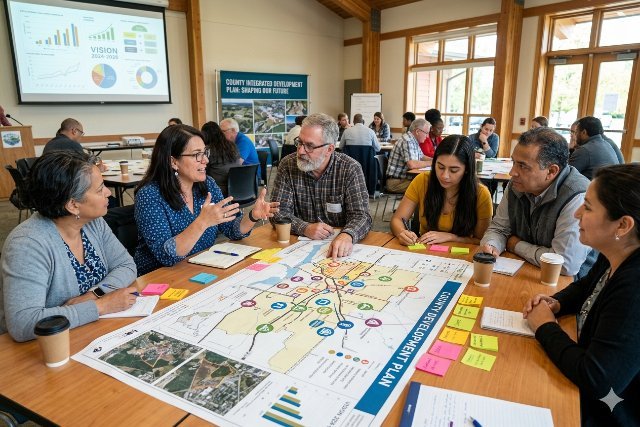
Counties play a pivotal role in shaping the future of their communities, and one powerful tool at their disposal is the County Integrated Development Plan (CIDP). These comprehensive frameworks guide local governance, resource allocation, and development strategies. But what exactly does this mean for residents? With CIDPs, counties can address urgent needs while promoting sustainable growth. In an era where community involvement is essential for effective governance, understanding how these plans work will empower citizens to take an active role in shaping their future. Let’s dive into what makes County Integrated Development Plans so crucial for local communities.
- What Is a County Integrated Development Plan?
- Benefits of CIDPs for Local Communities
- Key Elements of a CIDP
- Case Studies: Successful Implementation of CIDPs in Various Counties
- Challenges and Limitations of CIDPs
- The Role of Citizens in the Planning Process
- Conclusion: Embracing CIDPs for Sustainable Development
- FAQs
What Is a County Integrated Development Plan?
A County Integrated Development Plan (CIDP) is a strategic framework designed to guide the development of a county over a specified period. It outlines priorities and projects aimed at improving infrastructure, health services, education, and economic growth.
The CIDP is the result of collaborative efforts among local stakeholders, including government officials, community members, and businesses. This inclusive approach ensures that diverse perspectives shape development initiatives.
By addressing local needs and aspirations, CIDPs help allocate resources more effectively. They aim for sustainable growth while promoting social equity.
Additionally, these plans align with national policies but are tailored to fit the unique context of each county. This localized focus allows for better implementation of projects that truly resonate with residents’ realities.
Benefits of CIDPs for Local Communities
County Integrated Development Plans (CIDPs) serve as a blueprint for local communities, guiding growth and development in a structured manner.
One significant benefit is improved resource allocation. With clear priorities outlined in the CIDP, counties can direct funds and resources effectively to areas that need them most.
Another advantage lies in community engagement. CIDPs encourage citizens to contribute their ideas and feedback, fostering a sense of ownership over local projects.
These plans also promote sustainable practices. By incorporating environmental considerations into their frameworks, counties can ensure future generations will enjoy clean air, water, and green spaces.
Economic development is another key focus area of CIDPs. By identifying opportunities for investment and job creation, these plans help stimulate local economies while addressing unemployment challenges head-on.
The collaborative nature of CIDPs strengthens social cohesion within communities by bringing together diverse stakeholders around common goals.
Key Elements of a CIDP
A County Integrated Development Plan (CIDP) includes several essential components that guide local growth. First, the vision statement paints a picture of where the community wants to be in the future. This aspirational element sets the tone for all planning activities.
Next comes an assessment of current conditions. Here, data on demographics, economic factors, and existing resources is gathered. Understanding these facets helps identify strengths and weaknesses within the county.
Strategic goals are another key element. These objectives outline specific targets for development, such as improving infrastructure or enhancing public services.
Implementation strategies detail how to achieve these goals over time. They include timelines, responsible stakeholders, and necessary resources to ensure effective execution of plans laid out in the CIDP.
Case Studies: Successful Implementation of CIDPs in Various Counties
When examining successful County Integrated Development Plans (CIDPs), one can look at the remarkable transformation in Kisumu County, Kenya. The county focused on enhancing infrastructure and public service delivery. Through its CIDP, it prioritized projects that improved access to clean water and education.
In Nakuru County, community participation played a pivotal role. Local stakeholders were involved in decision-making processes, leading to tailored initiatives that reflected their unique needs. This collaborative approach resulted in significant advancements in healthcare services.
Another impressive case is found in Makueni County. Here, the government emphasized sustainable agriculture through its CIDP. By integrating environmental considerations into development goals, they fostered resilience against climate change while boosting local economies.
These examples illustrate how effective implementation of CIDPs can drive meaningful change by addressing specific regional challenges with targeted solutions.
Challenges and Limitations of CIDPs
The implementation of County Integrated Development Plans often faces various challenges. One major hurdle is the lack of adequate funding. Without sufficient resources, even the most well-crafted plans can stall.
Another issue is community engagement. Many citizens remain unaware or uninterested in CIDPs, leading to a disconnect between planners and residents. This gap can result in plans that do not reflect local needs or priorities.
Additionally, bureaucratic inefficiencies may hinder timely execution. Layers of red tape can slow down project approvals and limit responsiveness to changing circumstances.
Political dynamics also play a role. Shifting leadership or conflicting interests among stakeholders can derail initiatives outlined in CIDPs, creating uncertainty for communities relying on these plans for development.
Data limitations present another challenge. Accurate information is essential for effective planning; however, inadequate data collection methods may lead to misguided strategies and wasted efforts.
The Role of Citizens in the Planning Process
Citizens play a crucial role in the County Integrated Development Plan. Their input helps shape decisions that directly affect their communities.
Engaging local residents fosters a sense of ownership over development projects. When people feel valued, they are more likely to contribute positively. This engagement can take many forms, from public forums to surveys and workshops.
Every voice matters in this process. Diverse perspectives enrich discussions and lead to balanced solutions that address various needs within the community.
Moreover, citizens often have unique insights into local issues that planners may overlook. By sharing their experiences and suggestions, they help create more effective strategies for sustainable growth.
Active participation also builds trust between citizens and county officials. Open communication encourages transparency, making it easier for everyone to work towards shared goals.
Conclusion: Embracing CIDPs for Sustainable Development
Embracing County Integrated Development Plans (CIDPs) paves the way for sustainable growth. These plans empower communities to envision their future with clarity and purpose.
By integrating local needs into development goals, counties can create tailored strategies that reflect the unique characteristics of their populations. This localized approach encourages innovation and resourcefulness.
Furthermore, CIDPs foster collaboration among various stakeholders—government bodies, civic organizations, and citizens alike. Such partnerships are essential for harnessing diverse perspectives and expertise.
Investing in CIDPs means prioritizing the environment alongside economic progress. Sustainable practices embedded within these plans help preserve natural resources for generations to come.
As more counties adopt this holistic framework, they contribute significantly to national development objectives while enhancing quality of life locally. The vision is clear: a united effort toward thriving communities rooted in sustainability.
FAQs
The County Integrated Development Plan (CIDP) is a vital tool for shaping the future of local communities. As counties outline their development goals, they pave the way for sustainable growth and improved quality of life.
Local citizens play an essential role in this planning process. Their input ensures that the CIDPs reflect community needs and aspirations. Engaging residents fosters a sense of ownership, resulting in more effective implementation.
While challenges exist—such as limited resources or political hurdles—the benefits often outweigh these obstacles. Successful case studies show how well-planned CIDPs can lead to significant advancements in infrastructure, health services, education, and environmental sustainability.
As we embrace the potential of County Integrated Development Plans, collaboration among stakeholders will be key. Together, communities can achieve long-term objectives that enhance livability and prosperity.
FAQs
What are County Integrated Development Plans?
County Integrated Development Plans are strategic documents created by counties to guide their socio-economic development over a specified period. These plans incorporate various sectors such as health, education, infrastructure, and environment to ensure holistic growth.
Why are CIDPs important for local communities?
CIDPs help prioritize developmental projects based on community needs. They provide a framework for resource allocation and foster transparency between government bodies and citizens.
How do I get involved in my county’s CIDP process?
Citizens can engage with county officials through public forums or consultations held during the planning phase. Providing feedback during these meetings helps shape priorities effectively.
What challenges do counties face when implementing CIDPs?
Counties may encounter financial constraints or political opposition that hinder progress on planned initiatives. Additionally, lack of adequate data can affect decision-making processes.
Can successful examples of CIDP implementations be found worldwide?
Yes! Numerous countries have executed effective CIIDs leading to remarkable transformations within communities—from improved healthcare access to better transportation systems.