


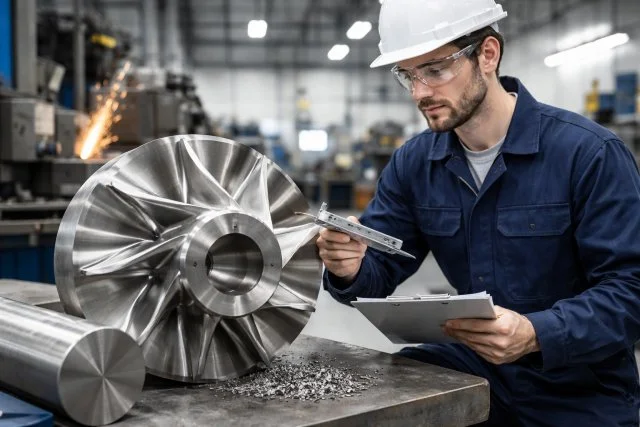
Introduction to CA6NM
CA6NM is a fascinating material that has captured the attention of engineers and manufacturers alike. With its unique properties and versatility, it plays a crucial role in various industries. Whether you’re involved in aerospace, automotive, or energy sectors, understanding CA6NM can give you an edge in your projects. This alloy isn’t just another metal; it’s a blend of innovation and functionality that meets modern engineering demands head-on. Let’s dive deeper into what makes CA6NM stand out from the crowd!
Chemical Composition of CA6NM
CA6NM is a high-performance stainless steel known for its excellent corrosion resistance and strength. The chemical composition plays a crucial role in defining these properties.
Predominantly, CA6NM consists of iron, with chromium making up about 12-15%. This combination enhances its durability against environmental factors.
Nickel is another key component, typically ranging from 4-7%. Nickel contributes to the alloy’s toughness and aids in maintaining structural integrity at varying temperatures.
Molybdenum adds additional corrosion resistance while improving overall performance. It usually comprises around 1-2% of the alloy.
Other elements like carbon and silicon are present in smaller amounts. Each element serves a specific purpose that collectively defines CA6NM’s attributes.
This unique blend makes CA6NM suitable for demanding applications where reliability is paramount.
Mechanical Properties of CA6NM
CA6NM exhibits impressive mechanical properties, making it a preferred choice in demanding applications. Its yield strength typically ranges from 80 to 90 ksi, ensuring excellent resistance to deformation under stress.
This alloy also boasts high tensile strength. With values around 100 ksi, CA6NM can withstand significant loads without failure. This characteristic is crucial for components that operate under extreme conditions.
Ductility is another noteworthy feature of CA6NM. It allows the material to deform without fracturing, which enhances its usability in various engineering designs.
Moreover, hardness plays a vital role in its performance. CA6NM often achieves Rockwell hardness values between C24 and C30, indicating good wear resistance.
These attributes make CA6NM suitable for parts subjected to fatigue and impact loads while maintaining structural integrity over time.
Uses of CA6NM
CA6NM is widely recognized for its versatility across various applications. This stainless steel grade finds extensive use in the manufacturing of pumps and valves, particularly in industries where corrosion resistance is crucial.
In aerospace, CA6NM serves as a preferred material due to its strength-to-weight ratio. Components subjected to high stress benefit from its exceptional mechanical properties.
The oil and gas sector also capitalizes on CA6NM’s durability. It excels in harsh environments, ensuring reliability under extreme conditions.
Additionally, this alloy plays a significant role in the marine industry. Its ability to withstand saltwater corrosion makes it an ideal choice for shipbuilding and offshore structures.
Beyond these sectors, CA6NM is essential in power generation equipment. Its resilience contributes to longer service life and reduced maintenance costs.
Comparison with other similar materials
When comparing CA6NM to other stainless steels, its unique properties stand out. Unlike 304 or 316 grades, which are common in various applications, CA6NM offers enhanced strength and corrosion resistance at elevated temperatures.
Its martensitic structure provides better hardness compared to austenitic stainless steels while maintaining good toughness. This makes it suitable for demanding environments where durability is essential.
In contrast to duplex stainless steels like SAF 2205, CA6NM tends to be less expensive and easier to work with. However, duplex grades excel in certain corrosive conditions due to their superior pitting resistance.
Another noteworthy comparison is with carbon steel alloys. While carbon steels may have higher tensile strengths initially, they lack the long-term corrosion resistance that CA6NM possesses. Therefore, when choosing materials for specific applications, understanding these differences can lead engineers towards the optimal selection for performance and longevity.
Importance in various industries
CA6NM plays a critical role across multiple industries due to its unique properties. Its high resistance to corrosion makes it ideal for marine applications, where exposure to harsh environments is commonplace.
In the aerospace sector, CA6NM’s strength-to-weight ratio contributes significantly to aircraft performance and efficiency. Components made from this alloy help reduce overall weight without compromising safety.
The oil and gas industry also benefits from CA6NM’s durability. Equipment exposed to extreme conditions relies on this material for longevity and reliability.
Additionally, in the power generation sector, CA6NM is used in turbine components that require both heat resistance and structural integrity under pressure.
Its versatility extends into automotive manufacturing as well, where lightweight yet strong materials are essential for fuel-efficient vehicles.
Conclusion
CA6NM is a remarkable alloy known for its diverse applications across various industries. Its unique chemical composition, primarily consisting of chromium, nickel, and molybdenum, sets it apart from other materials. These elements work together to enhance the corrosion resistance and overall durability of CA6NM.
The mechanical properties are equally impressive. With excellent tensile strength and fatigue resistance, CA6NM can withstand tough conditions without compromising performance. This makes it an ideal choice for critical components in high-stress environments.
When comparing CA6NM to similar alloys like 304 stainless steel or other duplex steels, it’s clear that each has its advantages. However, CA6NM often outperforms them in specific areas such as creep resistance at elevated temperatures.
Industries ranging from aerospace to oil and gas rely heavily on this material due to its reliability under extreme conditions. The demand continues to grow as engineers seek solutions that offer both strength and longevity.
Understanding the attributes of CA6NM not only highlights its significance but also paves the way for future innovations in material science. As technology evolves, so too will the applications for this versatile alloy.