


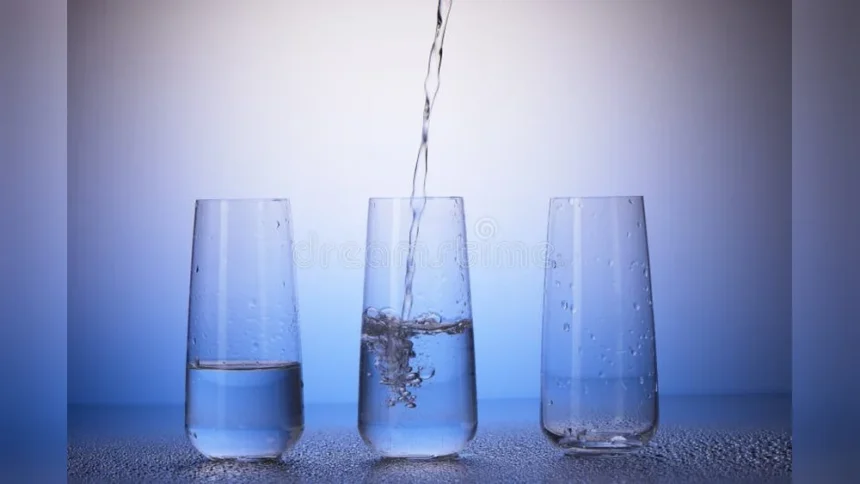
Introduction to the concept of
Have you ever found yourself at a gathering, holding a drink and contemplating the implications of that third glass? The phrase “third glass” goes beyond just the number of drinks consumed; it embodies a deeper conversation about moderation and excess. Whether you’re toasting with friends or unwinding after a long day, understanding this concept can enhance your social experiences while keeping potential pitfalls in check. Join us as we explore the origins, meanings, and psychological effects behind the enigmatic notion of the third glass. You might be surprised by what you discover!
Origin and evolution of the phrase
The phrase third glass has roots steeped in cultural history. It is often associated with social gatherings where drinks flow and conversations flourish. Historically, sharing a drink symbolizes camaraderie, but the third glass introduces an intriguing twist.
As cultures evolved, so did the interpretation of this phrase. Initially embraced for its celebratory undertones, it gradually took on cautionary implications. Many began to associate that third sip with excess—venturing into territory that could lead to overindulgence.
Literature and art have reflected this shift as well. Writers and poets have utilized the notion of the “third glass” to explore themes of temptation and restraint throughout various eras. This evolution gives depth to what might seem like a simple expression at first glance. The journey of language reveals more than just words; it unveils societal attitudes toward drinking and moderation over time.
The literal meaning and its symbolic significance
The term “third glass” typically refers to the act of consuming a third drink in a social setting. It paints a vivid picture of shared moments and camaraderie. However, its implications stretch far beyond mere consumption.
Symbolically, the third glass represents excess and indulgence. It serves as a tipping point where one might cross from moderation into overindulgence. This delicate balance is crucial; while celebrating life with friends can be joyful, it also carries risks.
In many cultures, this concept highlights both liberation and caution. The thrill of enjoying that extra glass can evoke feelings of freedom but may also lead to regret if not approached mindfully. It’s about understanding one’s limits while savoring life’s pleasures without losing control.
Thus, the third glass becomes more than just an element of social interactions; it embodies choices—each sip echoing deeper meanings about balance and self-awareness within our lives.
The psychological effects of the
The psychological effects of the third glass can be profound. For many, it marks a shift from social drinking to an altered state of consciousness. This transition often leads to increased relaxation and lowered inhibitions.
Yet, this change isn’t universally positive. The mind may drift into realms of overconfidence or emotional vulnerability. Conversations can become deeper but also more erratic.
Moreover, individuals might experience a sense of euphoria followed by guilt or anxiety as they navigate these feelings. It reveals how alcohol acts not just as a beverage but as a catalyst for complex emotions.
Awareness is key in understanding these psychological dynamics. Recognizing the fine line between enjoyment and excess helps maintain mental clarity while fostering genuine connections with others around you.
Positive and negative implications of the
The concept of the third glass carries both positive and negative implications. On one hand, it represents celebration and camaraderie. Sharing that third drink can enhance social bonds and create lasting memories with friends.
However, there’s a flip side to this seemingly innocent act. The more you indulge, the higher the risk of losing control or making regrettable decisions. That extra glass might lead to feelings of anxiety or regret later on.
Moreover, while some enjoy the buzz from a few drinks, others may find themselves slipping into unhealthy patterns without realizing it. It’s crucial to recognize how this simple gesture can escalate beyond enjoyment.
Finding joy in moderation is key. Being aware of your limits allows for enjoyable experiences while minimizing potential pitfalls associated with overindulgence.
How to find balance and avoid the negative consequences
Finding balance is crucial when it comes to enjoying life’s pleasures, including drinking. Start by setting clear boundaries for yourself. Know your limits before you pour that third glass.
Mindful consumption can also make a significant difference. Pay attention to how each drink affects your mood and body. This awareness helps you gauge whether it’s truly enhancing your experience or leading down a slippery slope.
Engage in alternative activities as well. Socializing over coffee or tea can be just as fulfilling without the risks associated with alcohol. Explore hobbies that divert focus from drinking.
Surround yourself with supportive friends who respect your choices. A strong social network encourages healthier habits and reinforces positive behaviors while minimizing temptations during gatherings or celebrations.
Conclusion: Embracing moderation and mindful drinking
Embracing moderation and mindful drinking is essential in navigating the complexities of social interactions and personal well-being. The concept of the third glass serves as a reminder that while enjoying drinks can enhance experiences, it’s crucial to be aware of our limits.
Finding balance involves understanding both the positive aspects, like shared laughter and connection, and the negative outcomes, such as impaired judgment or health risks. By practicing mindfulness during social occasions, we can appreciate every sip without losing control.
Being conscious about our drinking habits helps foster healthier relationships with ourselves and others. So next time you raise your glass, take a moment to reflect on what that third glass truly means for you.