


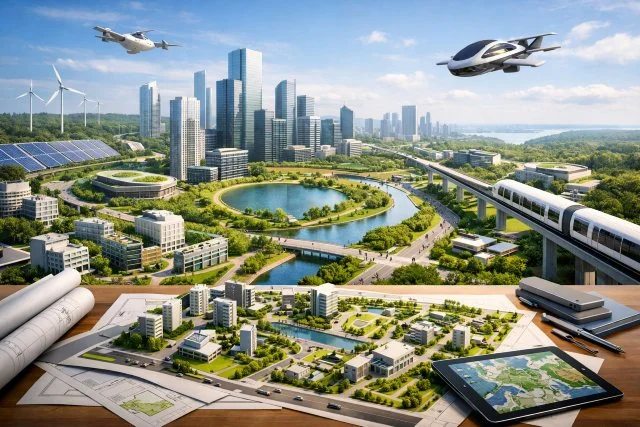
Introduction to Masterplanning
In today’s rapidly evolving world, the concept of masterplanning has emerged as a crucial strategy for creating cities and communities that are not just functional but also sustainable and engaging. Imagine walking through a vibrant urban landscape where parks coexist with bustling marketplaces, transportation is seamless, and community spaces foster connections among residents. This vision can become a reality through thoughtful masterplanning.
As cities grow and populations increase, the challenges we face in urban development demand innovative solutions. Masterplanning addresses these challenges by integrating various elements—such as infrastructure, environmental sustainability, social equity, and economic vitality—into cohesive frameworks that guide future growth.
Whether you’re an urban planner, community leader, or simply someone passionate about your environment, understanding masterplanning is essential to shaping smarter places for generations to come. Let’s explore this comprehensive approach to building better cities together!
- Introduction to Masterplanning
- The Importance of Masterplanning in Building Smarter Cities and Communities
- Key Components of a Masterplan
- Case Studies of Successful Masterplanned Cities and Communities
- Challenges and Considerations in Masterplanning
- Future Trends in Masterplanning
- Conclusion: The Impact of Masterplanning on the Future of Urban Development
The Importance of Masterplanning in Building Smarter Cities and Communities
Masterplanning serves as the backbone of sustainable urban development. It integrates various elements – housing, transportation, green spaces, and community resources – into a cohesive framework.
A well-crafted masterplan anticipates future growth while addressing current needs. This foresight ensures that cities evolve in harmony with their inhabitants’ lifestyles and demands.
Moreover, masterplanning fosters collaboration among stakeholders. Governments, architects, and local communities work together to create environments that are not only functional but also livable.
It enhances resource efficiency too. By optimizing land use and infrastructure placement, cities can reduce waste and promote eco-friendly practices.
It paves the way for resilience against challenges like climate change. Smarter cities built on solid masterplans can adapt more easily to unforeseen circumstances while maintaining a high quality of life for residents.
Key Components of a Masterplan
A masterplan is a comprehensive blueprint for urban development. It encompasses various elements that ensure functionality and sustainability.
Land use is a cornerstone of any masterplan. This component defines how different spaces will be utilized, such as residential, commercial, or recreational areas. Thoughtful land use fosters community engagement and accessibility.
Transportation infrastructure plays a vital role as well. Efficient roads, public transit options, and pedestrian pathways are necessary to connect neighborhoods seamlessly. A well-designed transport system enhances mobility and reduces congestion.
Green spaces are essential too. Parks and gardens contribute to the overall quality of life by providing areas for relaxation and recreation while promoting biodiversity.
Stakeholder engagement cannot be overlooked. Involving local communities in the planning process ensures that diverse needs are met, creating inclusive environments where everyone feels at home.
Case Studies of Successful Masterplanned Cities and Communities
One standout example of successful masterplanning is Masdar City in Abu Dhabi. Designed as a sustainable urban environment, it integrates renewable energy sources and efficient public transport systems. The city emphasizes walkability, minimizing reliance on cars.
Another remarkable case is the transformation of Songdo International Business District in South Korea. Built on reclaimed land, this smart city features advanced technology woven into its infrastructure. From automated waste collection to extensive green spaces, it offers a glimpse into future urban living.
In the UK, Milton Keynes has also garnered attention for its innovative layout and planning strategies. Originally developed in the 1960s, it combines residential areas with parks and commercial zones seamlessly.
These examples illustrate how thoughtful masterplanning can create vibrant communities that prioritize sustainability and livability. Each showcases unique approaches tailored to local needs while striving for long-term growth and resilience.
Challenges and Considerations in Masterplanning
Masterplanning is not without its hurdles. One major challenge lies in balancing diverse stakeholder interests. Residents, businesses, and government bodies often have conflicting priorities.
Another critical consideration is sustainability. Integrating green spaces while accommodating urban density requires innovative solutions. This balance can be tricky to achieve.
Funding also poses a significant roadblock. Securing investment for large-scale projects demands extensive planning and negotiation with various entities.
Regulatory constraints add another layer of complexity. Masterplanners must navigate zoning laws and environmental regulations that can slow progress or alter project scope.
Community engagement is essential yet challenging. Effective communication fosters trust but involves time-consuming outreach efforts to ensure everyone’s voice is heard and valued within the masterplan framework.
Future Trends in Masterplanning
As cities evolve, so do the strategies behind masterplanning. The rise of smart technology is reshaping how urban spaces are designed and managed. Data-driven insights will play a pivotal role in predicting needs and enhancing efficiency.
Sustainability continues to gain momentum as a core principle. Green infrastructure, renewable energy sources, and eco-friendly materials are becoming standard practices in new developments.
Community engagement is also on the rise. Stakeholders now demand more input in the planning process, ensuring diverse voices are heard and considered.
Adaptive reuse is another trend gaining traction. Repurposing existing structures reduces waste while preserving cultural heritage—a win-win for communities.
Modular construction techniques offer flexibility in designing adaptable spaces that can grow with changing demands over time. This innovative approach promises quicker build times without compromising quality or design integrity.
Conclusion: The Impact of Masterplanning on the Future of Urban Development
Masterplanning holds immense significance in shaping the cities and communities of tomorrow. As urban areas continue to grow, effective masterplanning can lead to sustainable development that meets the needs of diverse populations while preserving resources for future generations. By integrating infrastructure, green spaces, transportation systems, and housing solutions into a cohesive framework, planners can create environments that foster community interaction and economic vitality.
The impact of careful masterplanning goes beyond aesthetics; it influences how people live their daily lives. Thoughtfully designed public spaces encourage social connections and enhance quality of life. Improved accessibility through efficient transport networks reduces congestion and enhances mobility for residents.
Future developments will likely focus more on adaptability as cities face challenges like climate change and technological advancements. Smart city technologies will play an integral role in this evolution, providing data-driven insights to optimize resource management.
As we look ahead, the principles of masterplanning will remain crucial in guiding urban growth towards resilience, innovation, and sustainability. Embracing these strategies now ensures that our cities not only meet today’s demands but are also primed for future possibilities.