


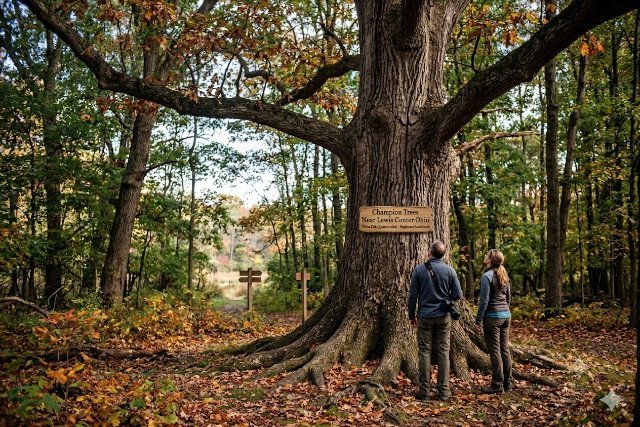
Nestled in the heart of Ohio, near Lewis Center, lies a collection of towering giants that have stood the test of time. These champion trees are not just ordinary plants; they are extraordinary living monuments that tell stories spanning centuries. Their immense trunks and sprawling canopies offer a glimpse into nature’s splendor and resilience. Whether you’re an avid tree enthusiast or simply looking for an outdoor adventure, exploring these majestic specimens is sure to inspire awe. Get ready to embark on a journey through some of Ohio’s most remarkable natural wonders!
History of Champion Trees in Ohio
Champion trees have a rich history in Ohio, reflecting the state’s diverse ecosystems and commitment to conservation. The tradition of identifying and preserving these natural giants began in the early 20th century when tree enthusiasts recognized their ecological importance.
The state’s champion tree program gained momentum during the 1970s, driven by dedicated organizations like the Ohio Division of Forestry. They aimed to catalog significant specimens based on height, trunk circumference, and overall crown spread.
Ohio is home to various species that have earned champion status. These trees serve as living monuments to centuries of growth and resilience against environmental changes.
As urban development surged across Ohio, awareness grew around protecting these natural treasures. Champion trees not only represent biodiversity but also contribute significantly to local heritage and community pride. They remind us of nature’s grandeur nestled within our neighborhoods.
Notable Champion Trees Near Lewis Center
Lewis Center, Ohio, is home to some remarkable champion trees that stand tall as nature’s giants. Among these notable specimens is a towering Eastern Cottonwood located near the Olentangy River. Its massive trunk and sprawling branches offer shade for wildlife and visitors alike.
Another standout is the impressive Northern Red Oak, known for its stunning fall foliage. This tree not only provides aesthetic beauty but also serves as an important habitat for various bird species.
Nearby, you’ll find a grand American Sycamore with unique peeling bark that captivates anyone who passes by. These trees are more than just landmarks; they represent decades of growth and resilience in their environment.
Take time to visit these natural wonders; each one tells a story about the rich history of our region’s ecology. Their presence adds character to Lewis Center while reminding us of nature’s enduring strength.
Famous Champion Trees Near Lewis Center Ohio
Lewis Center, Ohio, is home to several remarkable champion trees that stand tall as symbols of nature’s grandeur. Among these giants is a stunning Eastern Cottonwood located in nearby Delaware. This tree boasts an impressive trunk diameter and reaches heights that leave visitors in awe.
Another notable specimen is the towering Tulip Tree found within the region’s parks. Its vibrant yellow flowers bring charm during springtime and provide shelter for various wildlife.
Don’t overlook the majestic White Oak nestled on private property just outside Lewis Center. Known for its massive spread, this ancient tree tells stories of centuries past through its weathered bark and sprawling limbs.
These famous champions not only enhance the beauty of their surroundings but also reflect Ohio’s rich natural heritage. Each visit offers an opportunity to connect with history while appreciating their ecological significance.
Importance and Benefits of Champion Trees
Champion trees serve as invaluable resources within their ecosystems. They provide essential habitats for various wildlife, from birds to insects. These towering giants offer shelter and nesting sites, fostering biodiversity in the area.
Beyond ecological benefits, champion trees play a crucial role in improving air quality. Through photosynthesis, they absorb carbon dioxide and release oxygen, contributing to cleaner air for local communities.
Their impressive stature also has cultural significance. Many people find inspiration and solace among these natural monuments. They often become landmarks that tell stories of resilience throughout history.
Moreover, champion trees can help mitigate urban heat effects by providing shade and cooling spaces in cities like Lewis Center. Their presence enhances the aesthetic value of landscapes while promoting outdoor activities such as hiking and photography.
These magnificent specimens remind us of nature’s grandeur and the importance of conservation efforts in preserving our environment for future generations.
How to Identify a Champion Tree
Identifying a champion tree is an exciting adventure. Start by knowing the criteria: size, height, crown spread, and trunk circumference.
Measure the trunk at 4.5 feet above ground level for girth. This measurement is crucial in determining its status as a champion.
Next, look up! Height matters too; some trees can soar over 100 feet tall. Documenting the height will help you compare it to local records.
Don’t forget about the canopy. A wide crown spread indicates maturity and health.
Familiarize yourself with different species found near Lewis Center. Each has unique traits that contribute to their stature as champions.
Take your time observing these natural giants—they have stories etched into their bark waiting to be discovered!
Preservation Efforts for Champion Trees
Preservation efforts for champion trees are crucial for maintaining biodiversity and ecological balance. Various organizations collaborate to protect these majestic giants from threats like urban development, disease, and climate change.
Local conservation groups often organize tree-planting initiatives that encourage community involvement. These events raise awareness about the importance of preserving native species and restoring natural habitats.
Furthermore, educational programs in schools teach children about the significance of champion trees. Understanding their role fosters a sense of responsibility toward nature.
Monitoring is another key aspect of preservation. Specialists regularly assess the health of these trees, ensuring they receive necessary care or intervention when needed.
Innovative practices such as using drones for aerial surveys have emerged to track changes in forest ecosystems. This technology helps identify at-risk areas before it’s too late.
Public advocacy campaigns also play a vital role in promoting policies that support tree conservation on local and state levels.
Conclusion: Why You Should Visit These Natural Giants
Visiting champion trees near Lewis Center, Ohio, is more than just a stroll in the park. It’s an opportunity to connect with nature on a deeper level. These towering giants have stood for generations, witnessing history unfold around them.
Each tree has its own story to tell. Standing beneath their expansive canopies offers a moment of reflection and awe. The serene atmosphere invites visitors to slow down and appreciate the beauty that surrounds them.
Moreover, these natural wonders provide essential habitats for countless species. By visiting champion trees, you’re supporting conservation efforts aimed at preserving these magnificent ecosystems.
Whether you’re an avid hiker or simply looking for a peaceful day out, these ancient trees are waiting to be explored. Engage your senses and let the majesty of nature inspire you during your visit.
FAQs
Visiting champion trees near Lewis Center, Ohio, offers a unique experience that combines nature, history, and community. These majestic giants not only enhance the beauty of our landscapes but also serve as vital components of their ecosystems. Recognizing their importance is crucial for preservation efforts.
If you have questions about these natural wonders or want to learn more about them, check out the FAQs below:
What defines a champion tree?
A champion tree is defined by its size. The measurement typically includes height, trunk circumference, and crown spread. Trees that score highest in these categories are recognized as champions.
How can I find champion trees near me?
Many resources are available online for finding local champion trees. Local arboretums or forestry departments often provide maps or lists detailing where to locate these impressive specimens.
Are there tours available for exploring champion trees in Lewis Center?
Yes! Many organizations host guided tours focusing on local flora and fauna including visits to notable champion trees in the area.
Can anyone nominate a new champioin tree?
Absolutely! If you discover a potential candidate based on its measurements surpassing existing records, you can submit your findings to reputable organizations like the American Forests National Register of Big Trees for consideration.
Why should I care about preserving these trees?
Champion trees play essential roles in biodiversity and conservation efforts. They contribute to air quality improvement and offer habitat for various wildlife species while providing aesthetic value within communities.
Is it possible to support preservation initiatives?
You can get involved by volunteering with local conservation groups focused on maintaining forests or participating in educational programs aimed at raising awareness about the significance of protecting our natural heritage.
Whether you’re an avid nature lover or just looking for an enriching outing with family and friends, experiencing these remarkable giants will surely leave lasting memories.